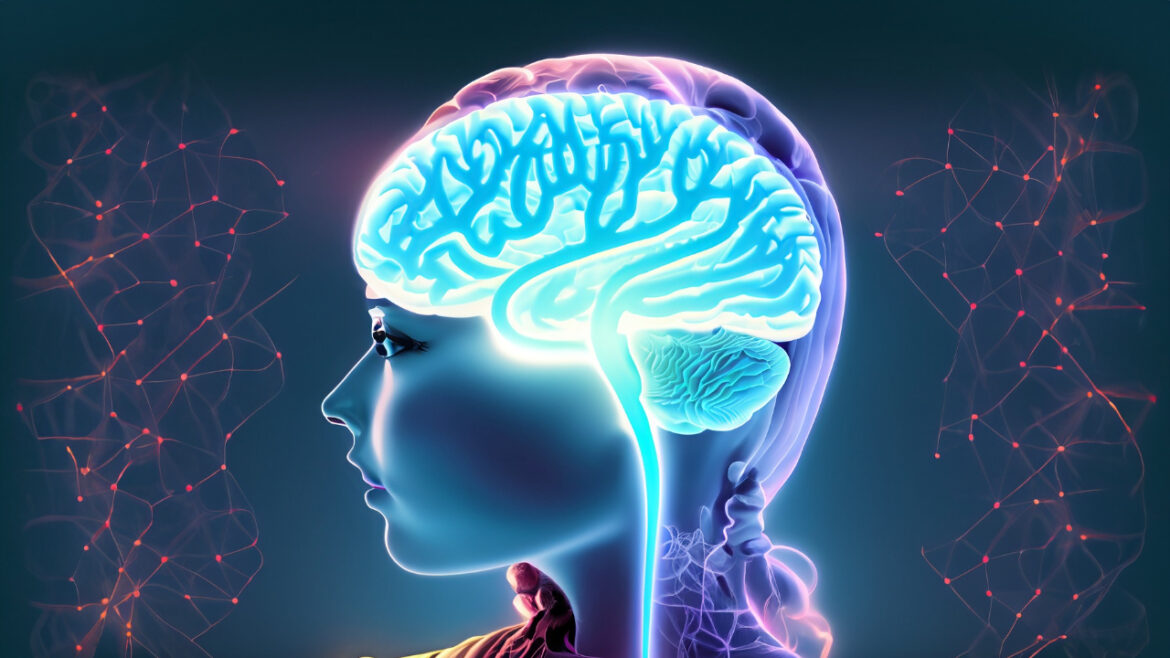
An article titled “The Science Behind the Brain-Altering Impact of Your First Pregnancy” by Lucy Jones discusses the profound changes that occur in a woman’s brain during and after pregnancy. Jones, who experienced these changes firsthand, delves into the science behind why she felt like a completely different person after giving birth.
The author compares the postnatal period to the story of Franz Kafka’s “The Metamorphosis,” where the protagonist wakes up one day to find himself transformed into a gigantic insect. This comparison is made to highlight the drastic changes and feelings of isolation that can accompany the postnatal period.
Jones explains that she initially thought she would remain the same person after her daughter was born, but soon realized she was undergoing a significant transformation. This transformation was not just physical but also mental and emotional, and it was not as serene and blissful as often depicted in popular culture. Instead, it was intense, disorienting, and at times, frightening.
The author then delves into the science of parenthood. Recent studies by neuroscientists have shown that pregnancy, childbirth, and hands-on caregiving can cause pronounced changes in the brain. These changes are so significant that they can be compared to the impact of adolescence on the brain.
Jones also introduces the concept of ‘matrescence,’ a term that describes the physical, emotional, mental, existential, and social transformation that women and birthing people experience. This term provides a way to discuss this extraordinary developmental stage, which is also a highly vulnerable time. In the UK, it was previously thought that 10-15% of women develop a mental health problem during pregnancy or the first year of new motherhood, but more recent figures suggest it could be as many as 20%.
The article concludes by emphasizing that understanding these changes and the concept of matrescence has important implications for healthcare, social support, and structural change. It can help women feel less alone during early motherhood, enable them to talk about their experiences more openly, and prepare them for the possibility of feeling like they’ve undergone a metamorphosis.