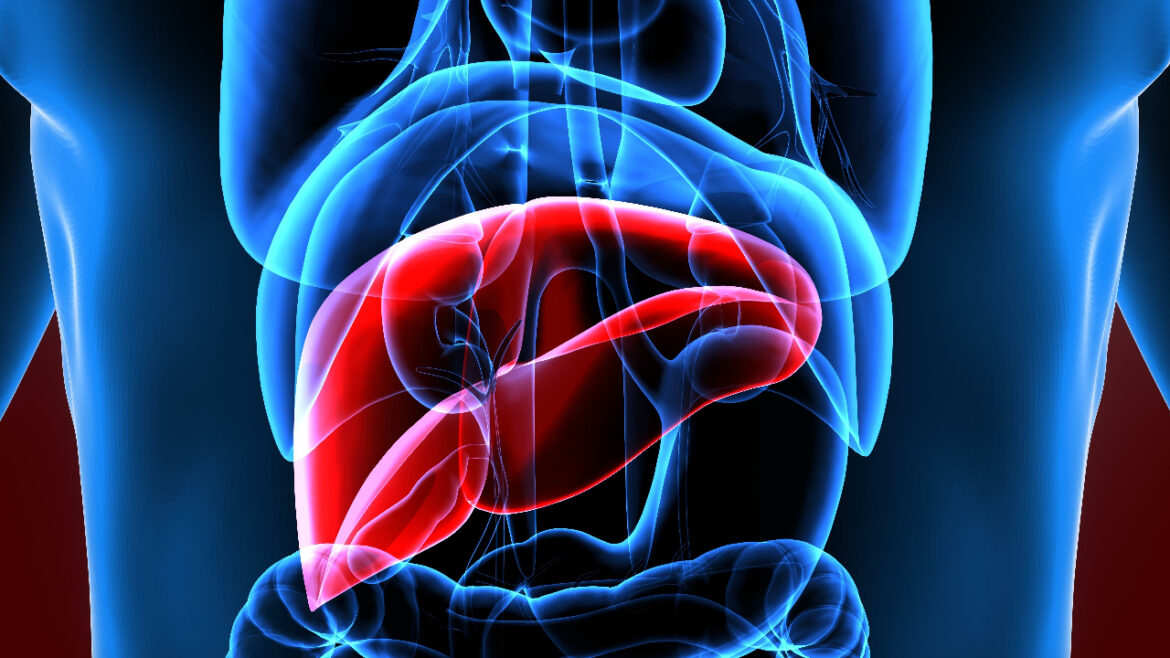
The study in this article focuses on a type of cancer called hepatocellular carcinoma (HCC), which primarily affects the liver. The researchers are seeking new ways to treat this cancer.
Their investigation revolves around the use of tiny particles called exosomes, which come from umbilical cord mesenchymal stem cells (UC-MSCs). Stem cells are special types of cells that can become almost any type of cell in the body. The umbilical cord, in particular, is a rich source of these stem cells. Exosomes are like the “messenger” particles these cells produce and send out, carrying proteins and other substances that can affect other cells.
The researchers looked at how these exosomes impact a specific type of liver cancer cell called HepG2. They studied the effects on cell growth, cell death (apoptosis), and the formation of new blood vessels (angiogenesis), as this last process is often necessary for tumors to grow.
To measure these effects, they used several methods. For example, they used a test called an MTT assay to see how viable, or alive, the cancer cells were after being treated with the exosomes. They also looked at the levels of several specific genes and proteins in the cells, including TNF-α, caspase-3, VEGF, SDF-1, CXCR-4, and a protein called sirtuin-1 (SIRT-1).
The results showed that treating the cancer cells with the exosomes from UC-MSCs significantly reduced the cells’ survival. The exosomes also affected the levels of the mentioned genes and proteins, which are all involved in cell survival, death, and blood vessel formation. The exosomes seemed to lower the proteins that promote cell survival and blood vessel formation (like SIRT-1, VEGF, SDF-1, and CXCR-4) and increase those that promote cell death (like TNF-α and caspase-3).
What’s more, these effects were time-dependent, meaning they were more significant after 48 hours compared to 24 hours.
The conclusion is that these exosomes from UC-MSCs may help fight liver cancer by affecting several critical processes that the cancer cells need to survive and grow. But, the authors caution that more extensive studies are needed to confirm these results.
In simple terms, it’s like the exosomes are delivering a message to the cancer cells that makes them less likely to survive and grow. This could make them a new type of treatment for this kind of liver cancer, although more research is needed to be sure.