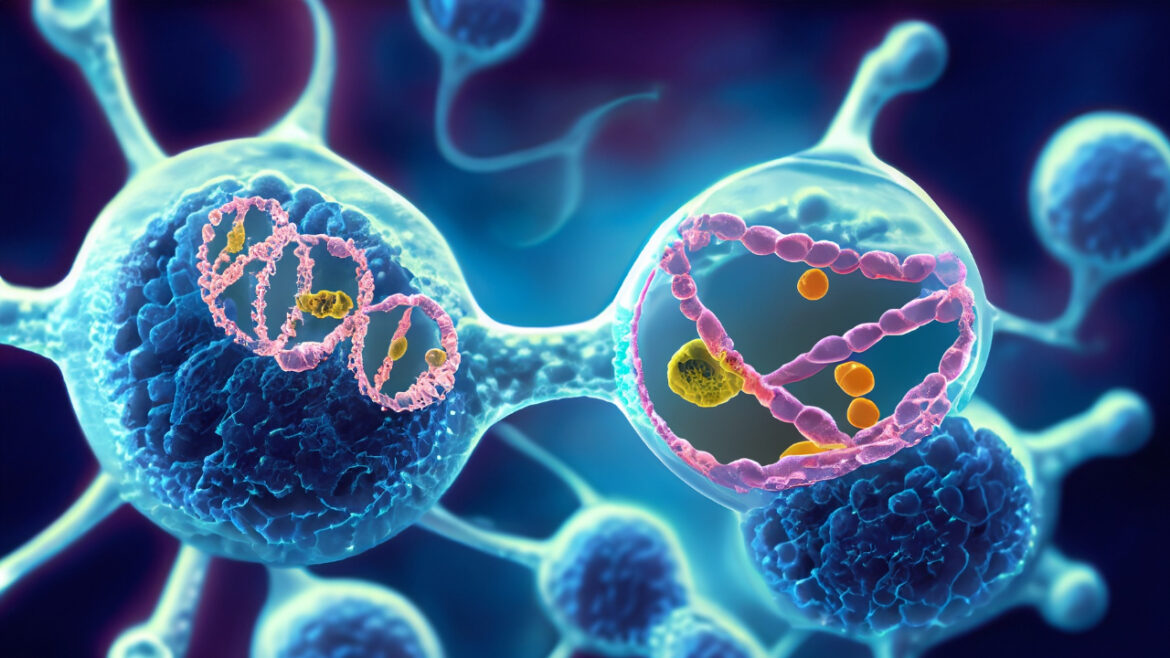
Scientists have recently delved into a groundbreaking treatment using human umbilical mesenchymal stem cells (hUMSCs) to potentially rejuvenate damaged ovaries in mice.
Background Gist:
The ovary, a crucial component of the female reproductive system, requires the extracellular matrix (ECM) for its proper function. Think of the ECM as the scaffolding of our cells, aiding in crucial processes and providing physical support. However, some treatments, like chemotherapy drugs, can harm this scaffolding in the ovaries, leading to complications.
Why Does This Matter?
For women, the functioning of the ovaries is essential not just for fertility, but also for overall health. Damage to the ECM in the ovaries can lead to conditions like premature ovarian insufficiency (POI), which can result in early menopause and other health concerns.
The Experiment:
Researchers used a group of female mice and induced POI in them through certain drugs. They then treated some of these mice with hUMSCs (stem cells) and observed the effects on their ovaries.
The Findings:
After chemotherapy, the mice had a significant decrease in the ovarian follicular reserve (essentially, their stockpile of potential eggs). However, those treated with hUMSCs showed a partial restoration in this reserve. On a microscopic level, the team observed that certain key components of the ECM, which were disrupted due to the chemotherapy, were somewhat restored with the stem cell treatment.
In Layman’s Terms:
Imagine the ovaries as gardens. The chemotherapy acted like a harsh storm, damaging the plants and the soil. The hUMSCs acted like a team of gardeners, helping to restore some of the plants and improve the soil quality.
Why This is a Game-Changer:
If similar results can be replicated in humans, this could open doors to new treatments for women who have suffered ovarian damage due to chemotherapy or other reasons. It’s not just about fertility; it’s about improving overall ovarian health.
Deep Dive:
For those who are interested in the intricate details: the ECM, comprising proteins and other molecules, plays a pivotal role in ovarian development. It provides the right environment for follicles (potential eggs) to develop and mature. Factors like age, genetic mutations, and external treatments can disrupt this environment. Stem cells from the umbilical cord (hUMSCs) show promise in repairing this damage, potentially offering a new avenue for treatment in reproductive medicine.
While this research is promising, it’s still in the early stages and has been conducted on mice. More studies are needed to understand the full potential and safety of this treatment in humans.