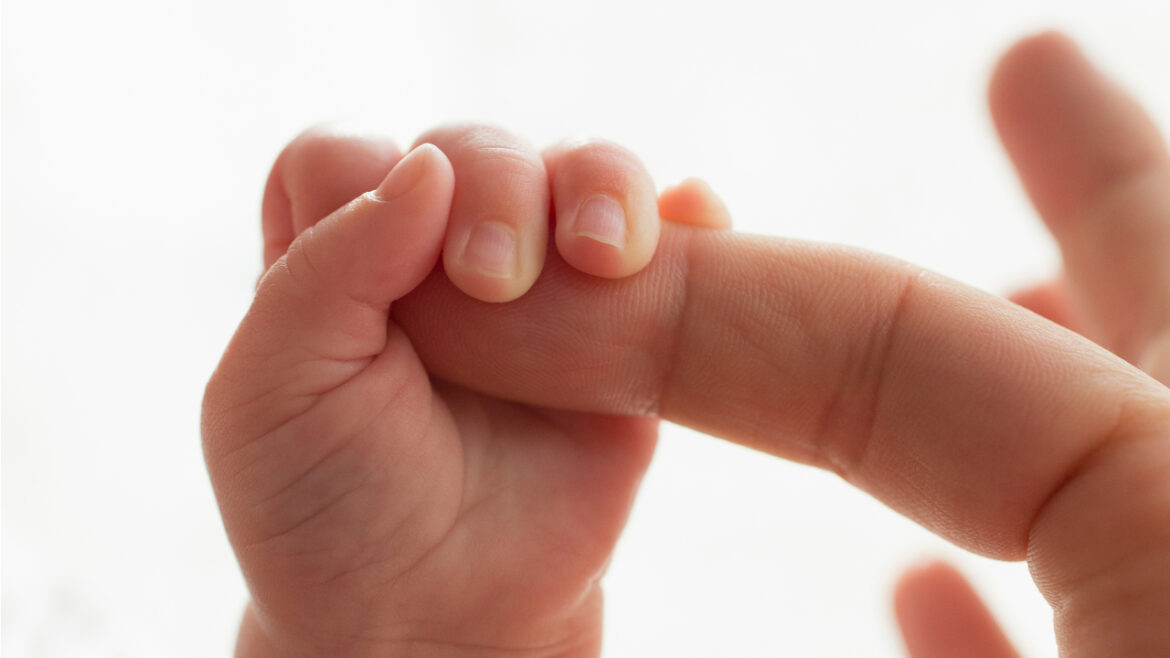
Skin-to-skin contact, or holding your newborn baby close to your bare chest just after birth, is a practice highly recommended for new mums and their little ones. It’s primarily known for promoting breastfeeding and creating a deeper bond between moms and their babies. But an important question has recently surfaced: could skin-to-skin contact also help prevent newborns from developing low blood sugar or neonatal hypoglycemia?
What the Studies Tell Us
Researchers looked into a plethora of studies and test results which included over 84,900 participants! By reviewing the combined results of 108 studies, including randomized controlled trials (RCTs), quasi-RCTs, and various observational studies, they found very promising evidence.
According to the data, skin-to-skin contact could lead to a significant reduction in the incidence of neonatal hypoglycemia. In simple words, babies who got to snuggle with their mums were nearly three times less likely to have low blood sugar, compared to those who didn’t get as much cuddle time.
Similarly, skin-to-skin contact might reduce the number of babies needing special neonatal intensive care due to low blood sugar. It could even shorten the duration of your baby’s initial hospital stay and potentially increase the likelihood of exclusively feeding him or her breastmilk from birth till discharge. However, researchers note that further studies will be needed to confirm these potential benefits.
The Significance of Preventing Neonatal Hypoglycemia
Why is neonatal hypoglycemia such a big deal? This condition, characterized by abnormally low blood sugar levels, affects 5–15% of newborns. It’s particularly concerning since it can lead to unwanted neurodevelopmental outcomes. This makes prevention strategies, such as skin-to-skin contact, very significant especially for babies who are at a higher risk, like premature babies, babies born smaller or larger than usual, or those born to mothers with diabetes.
What Skin-to-Skin Contact Really Means
While mothers might be familiar with the term, let’s clarify what ‘skin-to-skin contact’ really entails. It’s quite literal – your newborn, without any clothes on, is placed on your bare chest shortly after birth. According to UNICEF’s Baby Friendly Initiative Guidelines, this cuddle session should ideally last at least an hour or until the baby’s first feeding session is complete. And mums don’t have to do all the snuggling. The baby can also be placed for skin-to-skin contact with the father or another caregiver!
Wrapping It All Up
Skin-to-skin contact seems to have a series of benefits, most notably potentially reducing the incidence of neonatal hypoglycemia. So, if you needed another reason to cuddle up with your newborn, this is probably a good one! More studies are needed to solidify this relationship, but even the possibility reinforces the numerous benefits of skin-to-skin contact for all babies, especially those at risk for low blood sugar.