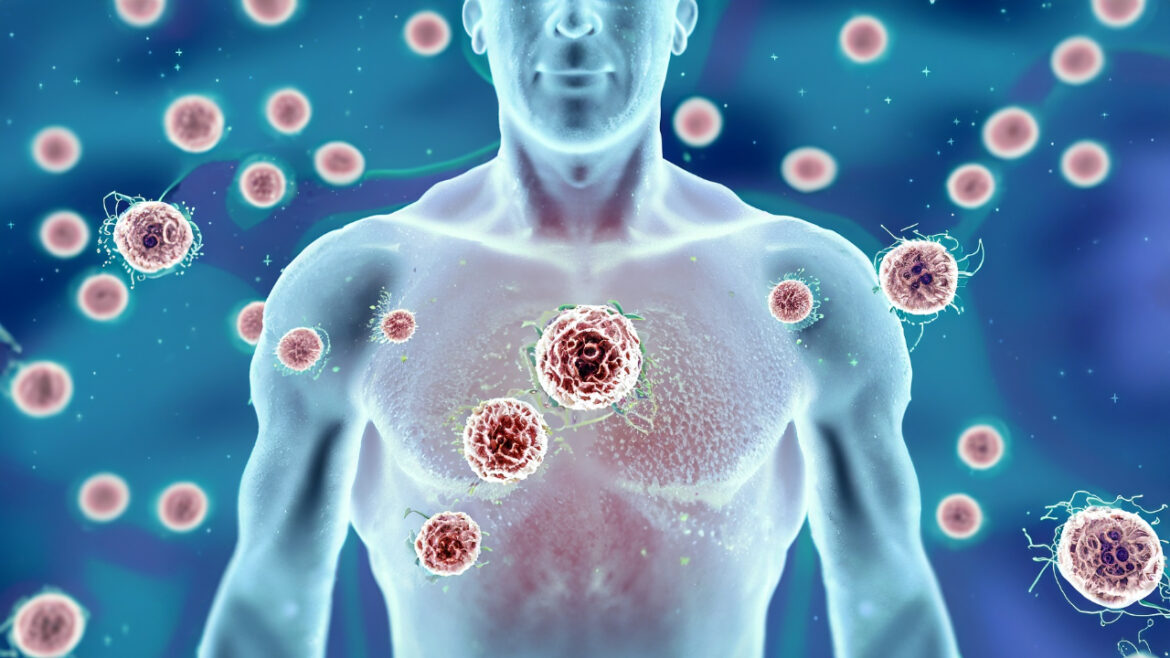
A study has outlined a new method for growing natural killer cells (NKCs) from human cord blood, which could be used in cancer treatment. To understand it, we’ll break down the key concepts:
Natural Killer Cells (NKCs): These are a type of immune cell, like white blood cells, but they specialize in recognizing and killing cancer cells without needing any “training” or exposure to the cancer cells first.
Cord Blood: This is the blood from the umbilical cord and placenta after a baby is born. It’s a rich source of stem cells, which are a type of cell that can turn into any other cell in the body, including NKCs.
The Challenge: Growing enough NKCs from cord blood is tricky. If you grow other kinds of immune cells at the same time (like T cells), you risk a “graft versus host reaction” where the introduced cells attack the patient’s own body. So, it’s crucial to grow only pure NKCs.
The Experiment: The researchers used a method to grow NKCs from frozen cord blood. They removed T cells and stimulated the remaining cells with specific proteins (interleukins), while also using antibodies to further encourage NKC growth. They monitored the growth and purity of the NKCs over a period of 21 days. They also checked the “weapons” (activating and inhibitory receptors) that these NKCs were developing, which would help them attack cancer cells. Finally, they tested how effective the NKCs were at stopping the growth of a specific type of cancer cell (from a brain tumor).
The Results: The researchers successfully grew a high percentage of pure NKCs (99% by the end of the 21-day period). These cells were equipped with the necessary “weapons” to recognize and attack cancer cells. They also tested effective against the brain tumor cells, although their effectiveness decreased slightly the longer they were grown.
The Conclusion: The research presents a promising new method to grow large numbers of pure, effective NKCs from cord blood. This could provide a steady supply of “off-the-shelf” NKCs for treating various cancers, including brain tumors. This method avoids the need for feeders (special cells used to help other cells grow), making the process simpler and safer. It’s a significant step towards harnessing the power of our immune system to fight cancer.