Preeclampsia and gestational hypertension are serious health conditions that can occur during pregnancy, leading to complications for both the mother and the baby. But a new study has found that routine blood pressure readings taken in the first half of pregnancy can effectively predict and stratify patients by their risk of developing these conditions later on.
The study, conducted by researchers at Kaiser Permanente, identified six distinct blood pressure patterns within the first 20 weeks of pregnancy that can accurately predict the likelihood of preeclampsia and gestational hypertension. By combining these blood pressure patterns with other risk factors, such as clinical, social, and behavioral factors, healthcare providers can now better identify patients at risk.
The researchers analyzed the routine blood pressure readings and clinical data of nearly 250,000 pregnant patients and found that three of the identified blood pressure trajectories accurately predicted 74% of patients who later developed preeclampsia. The prediction model was equally effective across different racial and ethnic groups.
Dr. Erica P. Gunderson, the lead author of the study, highlighted the significance of these findings: “The prediction models accurately classified the patients with an increased risk for developing preeclampsia and gestational hypertension based on early blood pressure patterns several months before the onset of disease.”
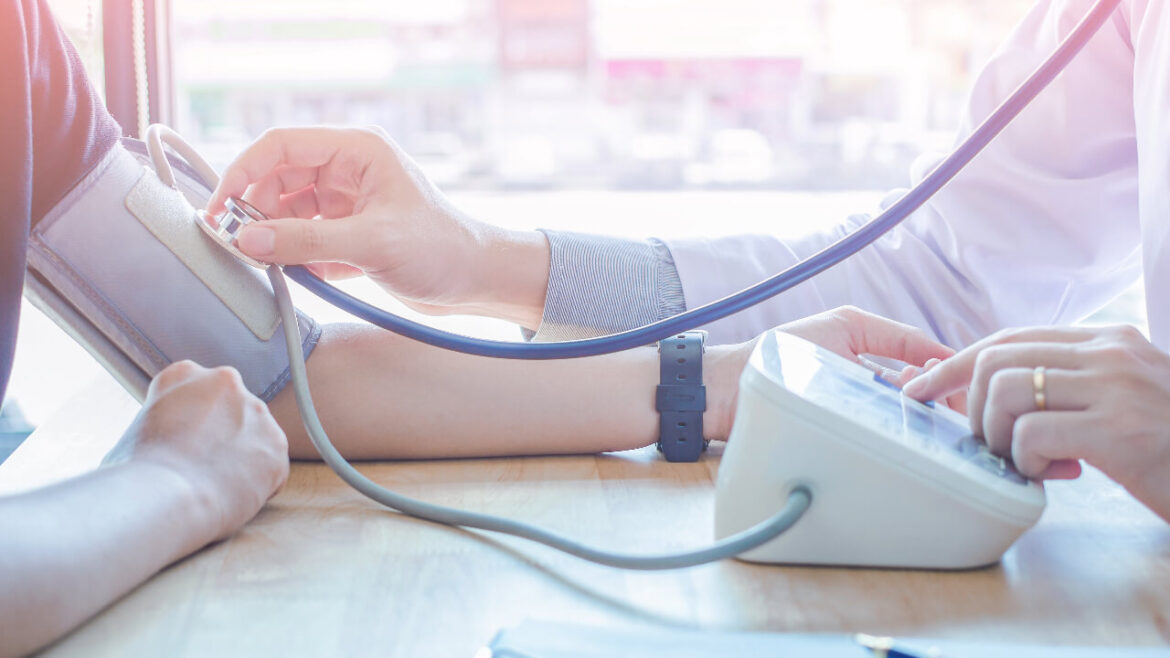
Currently, it can be challenging to determine individual risk of preeclampsia, especially for low- to moderate-risk patients. However, with the use of simple blood pressure measurements taken during routine care, healthcare providers can now more accurately assess risk and implement preventive measures and treatment plans.
Dr. James M. Roberts, a co-author of the study, emphasized the potential impact of these findings: “The use of a simple measure – blood pressure – that is available as part of clinical care to fine-tune clinical risk assessment and identify those at highest risk could allow modification of care and the use of preventive therapies to the most appropriate patients.”
Moving forward, the researchers plan to develop an automated tool within the electronic health record system to identify patients in real-time based on their blood pressure patterns before 16 to 20 weeks of pregnancy. This will enable healthcare providers to promptly inform patients of their increased risk for hypertensive disorders and provide appropriate interventions and monitoring.
The study, funded by the National Heart, Lung, and Blood Institute, provides valuable insights that could greatly improve the identification and management of preeclampsia and gestational hypertension, reducing the chances of adverse outcomes for both pregnant individuals and infants.